September 22, 2013

The Man @ Le Mans

An undoubted strong team effort from team Suzuki but given it’s Guy’s first foray into endurance racing coming second is indeed a worthy result.

image

An after race interview sees him knackered looking by jubilant and celebrating the obvious talent of his team.

image

Official Results –

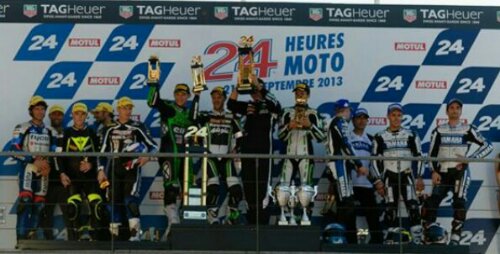
1st: Kawasaki team of Grégory Leblanc, Fabien Foret and Nicolas Salchaud brilliantly won the 36th edition of Le Mans 24 Hours in 2013.
2nd: Suzuki No. 2 Team R2CL Guy Martin, Dylan Bush and Gwen Giabbani
3rd: Yamaha No. 94 Yahama France – GMT94 – Michelin Yamalube led by David Checa, Kenny Foray and Matthieu Lagrive

image

A well deserved cup o’ tea now lad!

September 21, 2013

Crystal Palace

A truly evocative image of one Jim Kanka putting his Triumph 650 through its paces at the South London venue in 1971.

image

Crystal Palace is where I learned to ride motorcycles. It was a little Suzuki 125cc that I tore around the stadium grounds and eventual streets of Beckenham, Penge and Sidcup.

image

Wonderful period poster promoting the suburban speed events. The Palace was a noted venue in the race calendar for two and four wheels alike.

image

The circuit was used from 1927 until ’72. The final year seeing an average lap record of 103.39 mph set by Mike Hailwood.

September 20, 2013

Out of the pages of the action comic…

Comic art is one of my favorites: especially garish but graphic 70’s work. Here’s a Marvel offering much in the light of the material I grew up with such as 2000ad and Action. – Silver Jubilee celebration! Classic!

image

I love the rider heading towards you out of the page in true Stan Lee exaggerated dynamic fashion. You see this format elsewhere…

image

My favorite of all is the Judge Dress cover by Mike McMahon of a Lawmaster riding JD heading into the Cursed Earth… Drokk!

image

Pen and Ink wizard Brian Bolland used this perspective to good use back then also.

image

As Tharg would say: Zarjaz!

September 19, 2013

Je voudrais une tasse de thé

As our cheeky chappie from the flats of Lincolnshire would say upon arrival to the historic racing town of Le Mans this coming weekend! He’s joining team Suzuki R2CL on the 24 hour endurance event. Trying to get speedy saddle time under his belt!

image

In his own words: “Top job boy! … to get a chance to do some World Endurance racing down in France is mega. It’s something I always believed would be beneficial and a lot more interesting for me than general short circuit stuff. I’m mega-chuffed and the drive to France should be a decent road trip.”

image

There ain’t no drystone walls inches from your speeding faceshield; but it’ll get dark before long…
image

September 18, 2013

What’s German for drag race?

Glemseck! It’s the now annual sprint race on an old race track straight over 1/8 mile (or 200 metres in metric!) For roadworthy cafe racers. Up to three cylinders must be under 1000cc’s and four’s under 750cc. Held near Stuttgart it attracts all sorts from across the Eurozone including wor laddie Guy Martin.

image

The chromed tubular Manfred Rau street fighter frame gives his machine a ‘meant’ attitude.

image

Rau in German means ‘ruffian’; seems appropriate!

September 17, 2013

Cubby ‘gin

In the throes of engine component clean, inspect, degrease, polish, measure… I need these images of assembled engines for inspiration… They look like a neat little package in this condition.. A far cry for the boxes of baggies each zip-locked and sharpie noted.

image

…still on the lookout for a 40 over piston…

image

September 16, 2013

A Triumph: it sets the tone

William H. Macy played the hapless Jerry Lundegaard in the wonderful Coen brothers film Fargo. He carried his character from bad to worse during a bungled kidnap of his wife to acquire ransom money from his father in law. Frances McDormand is the wonderful Minnesotan pregnant police chief following the case across the cold snowy wastes of the North Star State. However, here’s Bill on a sparkly Triumph Bonneville: looking a lot better than he did in the movie Wild Hogs (the less said about that little ‘gem’ the better!).

image

Thumbs up indeed ey! Enjoyin’ da ride dontcha no.

image

September 15, 2013

IV III II I

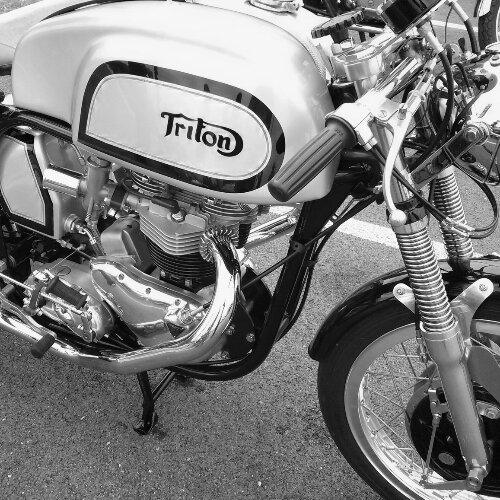
These four motorcycles were sat at one corner of the car show: somewhat eclipsed by the British cars on display but in their own right can stand alone as classic vehicles of blighty. The first is a wonderfully sorted Triton, combination of Norton featherbed frame and Triumph pre-unit motor. The big Manx tank and clip-ons hints at both marques racing history.

image

Here’s a clean Norton Commando, great roadster of the seventies.

image

A contemporary Triumph next, this one a Thruxton… A machine within my reach: perhaps some day!

image

Lastly, but NOT leastly, the sublime Vincent Black Lightning 1953. Words escape me when looking upon motorcycle perfection… So let’s just look…

image

September 14, 2013

The Best of the Rest

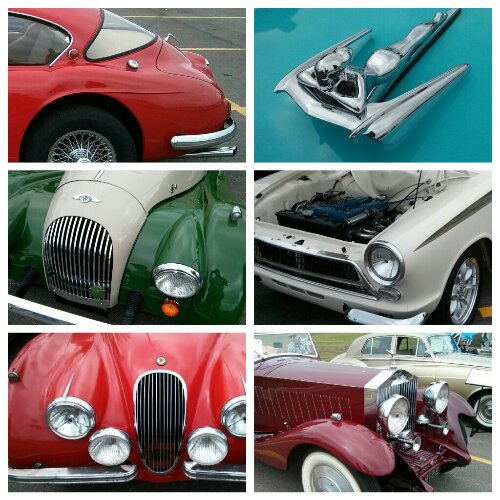
With numerous marques, models and mechanicals to be seen at last weekends car show I’ll conclude the week with a collage of images for your perusal.

image

The eyes have it…
Top: MG MGA Le Mans
Middle: Aston Martin DB5
Bottom: Austin Healey 100

image

The Devil’s in the Details…
Clockwise from top right
Nash Metropolitan hood ornament
Ford Cortina Lotus
Rolls Royce Phanto II Continental
Jaguar XK120
Morgan Plus 8
Jensen 541

September 13, 2013

Swallow Sidecars & Amazons

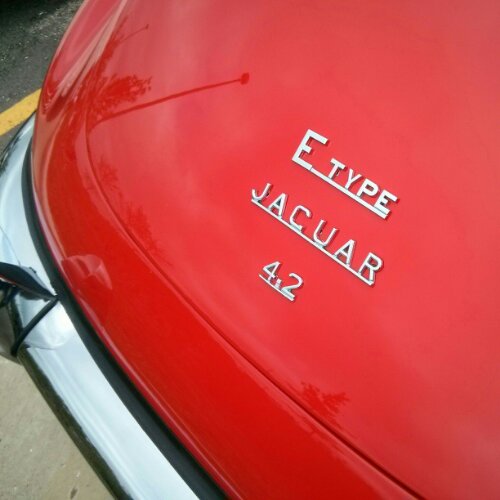
On its release Enzo Ferrari called the E-Type “the most beautiful car ever made”. Many agree; me too. Its shape is one of pure perfection from all angles, all the curves flow as one in sinuous beauty.

image

Its aeronautical inspired streamlining derive from the eye of Malcolm Sayer 1916-1970 who’s vision derived to fine style the C, D and E Types as well as the godly XJ13 and XJS. Aircraft design borne principles were utilized to magnificent effect on the roads and race tracks of England.

image

A 4.2l powerplant could take a leadfoot from zero to sixty in about seven seconds topping out at a ton and a half with the 265bhp under that l-o-n-g bonnet (on a good day, with a factory fettled car).

image

Like the Spitfire the entire front end flipped up for adequate access to the inline six and its triplet of carburettors.

Swallow Sidecars was the original name of Jaguar cars before the war however the initials SS had different connotations after then so a 30’s model name was chosen for the new company brand. A cat was a good choice!

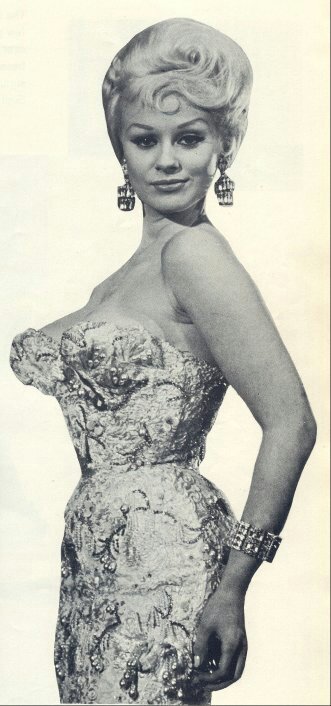
The Amazon? That’ll be 36D-22-36 to you sonny Jim; Norma Jean to the world.

image

The E-Type arrived in ’61, M.M. left us in ’62… Do you believe in reincarnation?

image

September 13, 2013

Friday Night is Jaguar Night…

image

September 12, 2013

Any color as long as it’s grape

The seventies saw some garish color schemes in cars; none more so than witnessed in this Triumph Spitfire… However its speedy profile can be seen even with the open hood; a hood that flips up with the fenders giving great access to the engine area.

image

image

The fairly simple 4 speed 1.3l shown here with an immaculate example was fed with a pair of carburettors. With about 75 bhp on tap and the light frame these were nippy cars.

image

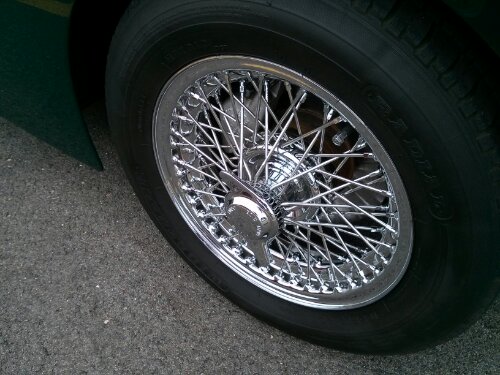
Teal: great color choice! And of course wire wheels were an obvious option.

image

Of course being a British car a well tool’d kit is required for those side-of-the-road fixes that you’d no doubt have at some point or another.

image

This is the trunk of an early TR3. The sharp end? Well another fine example of clean engine restoration and care. Ten out of ten. Gorgeous!

image

A pure white mark II has a cracking line to it too. Goggles, gloves and silk scarf de rigeur for the pilot here!

image

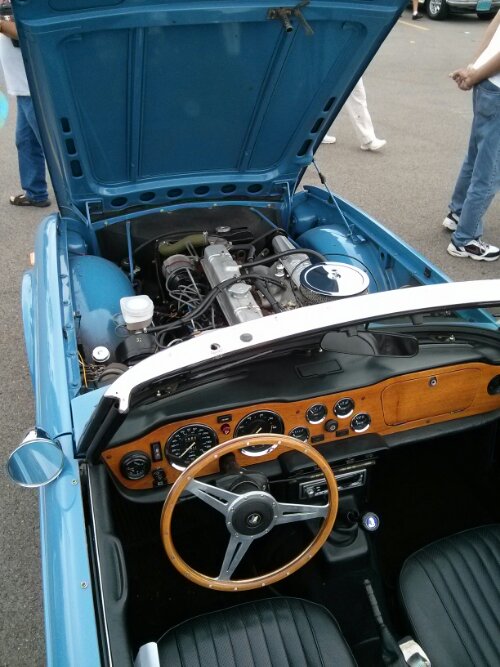
Currently my favorite Triumph car is the TR6. A bit more muscle with the 2.5l inline 6 and 150 ponies in the fuel injected home model (the US got 104bhp with a detuned carbureted engine.) And, the cockpit view ain’t that bad either. Well I probably won’t be able to afford a Porsche neunelfer but a nice clean TR6 with a few mods would suit me nicely thank you very much!

image

image

September 11, 2013

Morris Garages

Formed in 1924 by Cecil Kimber the British roads were introduced to the rort of the sporty two seaters by MG.

image

Long elegant lines, a roadster for the A and B road driver. Soft top up for drizzly weather or down to get a bit of wind through your feathers.

image

The long bonnet, sweeping fenders and sleek appearance look like a greyhound ready to pounce down the track.

image

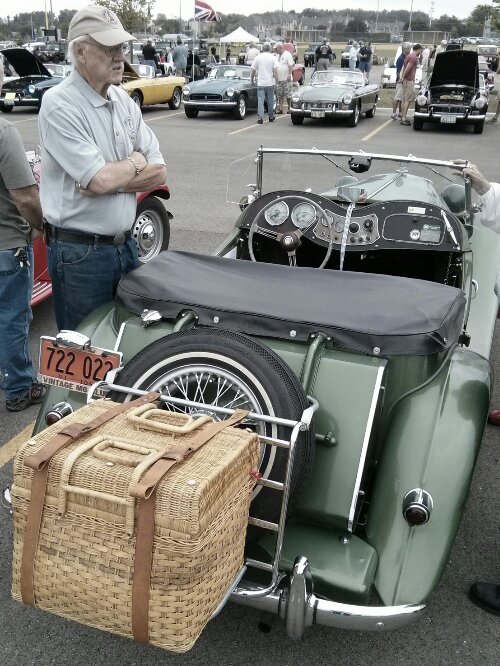
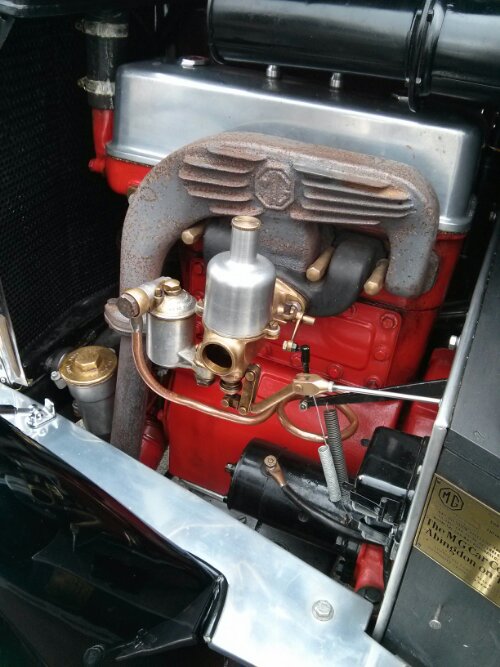
You can strap a basket on the back to go further afield. A trip to the Cote d’Azur? Via the Alps of course! There were small cars too, the Midget; starting life as a basic roadster with a diminutive engine..

image

image

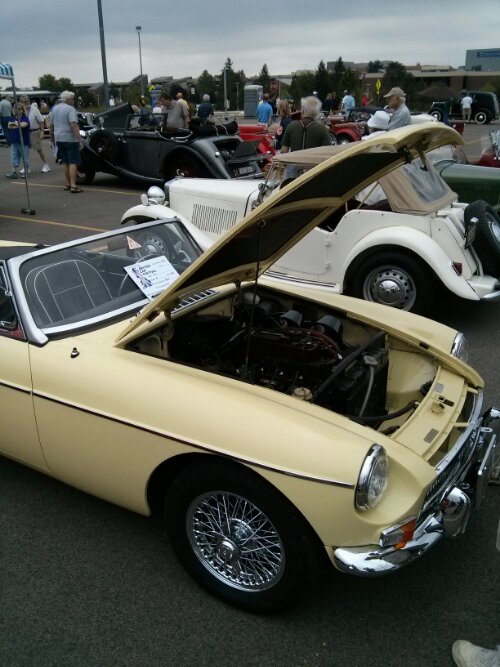
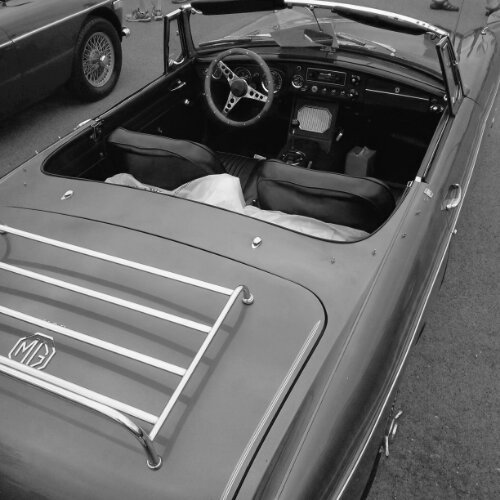
However, the sixties came and a new model was sought: the MGB which would see a fairly good run over two decades of sales. Even through the bleak British Car industry demise of the seventies; however that debacle would cause the end of that run.

image

That pale yellow color is pure English. Even bright under a gloomy blighty sky, with a hint of rain in the forecast. The spoked wheels with knock-off hub nut will sparkly at speed, a chrome bumper rounds of a neat package. However with a half-life of Three years in the British climate you had to enjoy it quickly.

image

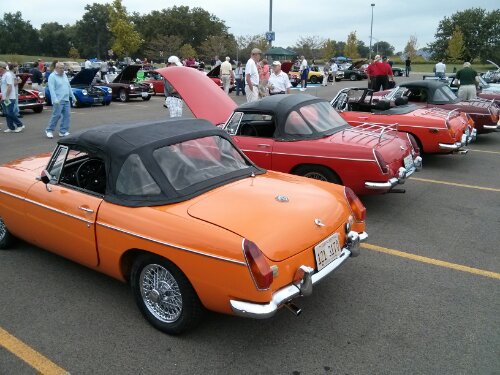
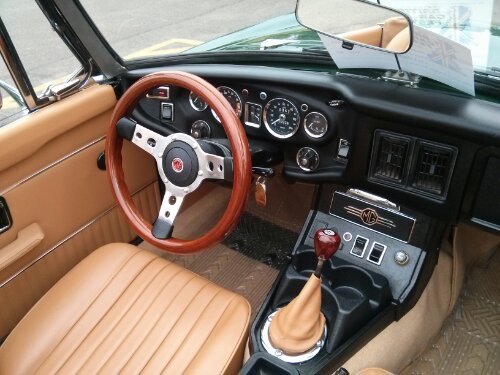
If you didn’t want yellow or British Racing Green then orange, red or orangy red were good choices. The view from the cockpit ain’t bad either. Smiths clocks behind a smooth steering wheel, though a touch of walnut would be nice…

image

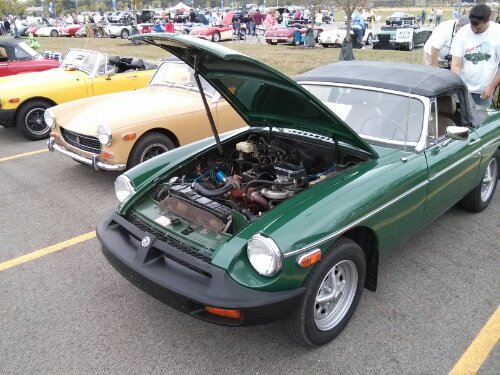
As time wore on a few revisions had to be made to meet certain highway regulations; one was the front bumper, it was changed to a bulky black plastic fender. These models gained the nickname Sabrina after a certain well endowed actress

image

Norma Ann Sykes aka Sabrina

image

However let’s enjoy the MG in all its glory…

image

September 10, 2013

Actual Size

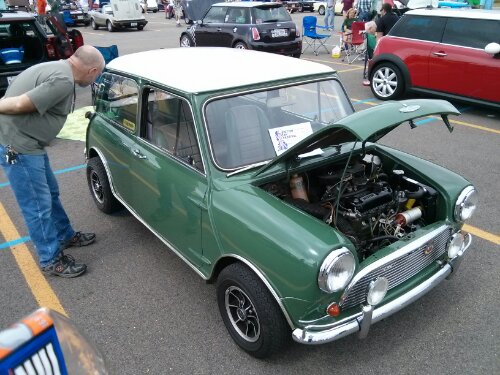
The Mini: surely Issigonis’ shining gem. And what a diamond it is too. Where the version 2.0 from the good folks at BMW has gone from strength to strength the original is a hard one to beat! Wide wheelbase with smaller wheels on the corners of a shorter chassis and that Series A Morris engine turned sideways, the smaller and very functional proportions with good handling were apparent from the get-go.

image

It went on to be as iconic as The Beatles in the sixties; a swingin’ time for all. The roof was oft emblazoned with the union flag. Front spots reinforced the round-eye headlights and aided nighttime driving as well as celebrated the sweeping victories of several Monte Carlo rallies through the sixties (until the French changes the rules citing uncompetitive lighting…).

image

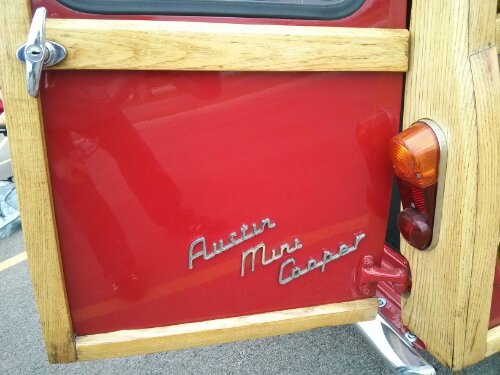
Like the Morris Minor of yesterdays notes, the Mini also came in variations, a small van, the wood framed Countryman… “Ouch! You’ll gi’ yersel’ a spelk wi’ that boot youth!”

image

Also available was the Jeep like Mini Moke, and the sportier engines Cooper S. Racer of both two and four wheels, John Coopers collaboration with BMC to produce a highly competitive performance motor car.

image

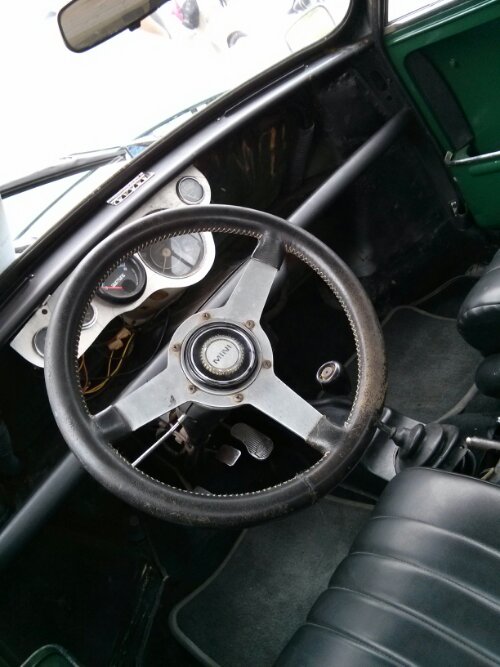
The best view of a Mini! Behind its go-cart handling wheel, centrally located speedo and 360° all round clear view. One of the cars I learned to drive in was a latter model Cooper, a racing green late 80’s model. One of the best cars I ever drove.

September 9, 2013

Not quite a lesser car…

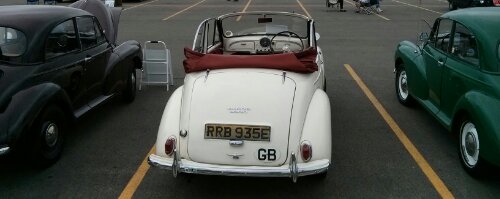
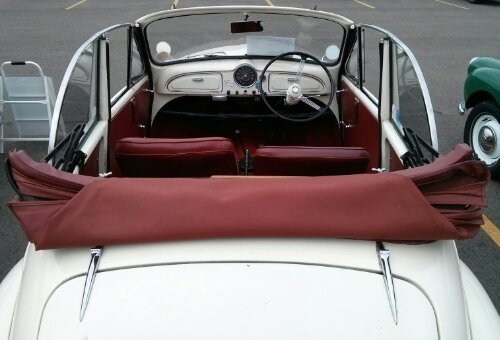
The Morris Minor, or Moggie as it was affectionately known, was a popular, inexpensive, compact family car. Easy to maintain, purely functional and fairly easy on the eyes is was manufactured between 1948 and 1971 seeing over 1.3 million produced. The blighty VW Beetle or Citroen deux chevaux. Its wholesome lines came from the mind of Alec Issigonis (the chief designer of The Mini). Like some matronly nurse it took to the British roads like the proverbial duck to water.
image

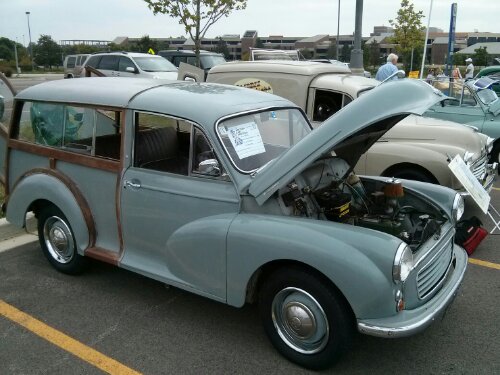
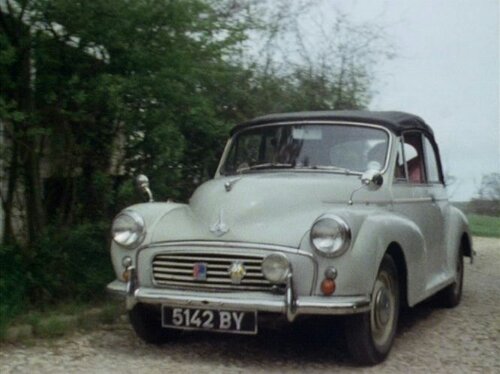
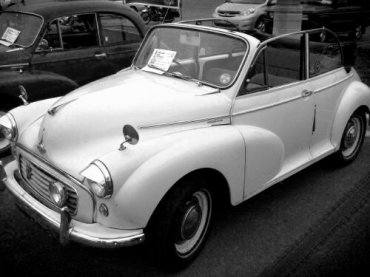
It saw many versions including the gnatty soft-top convertible seen above as well as the classic wood framed estate Traveler and delivery van. Both below. That battleship grey colour is pure blighty mid-fifties and a holiday to Llandudno.

image

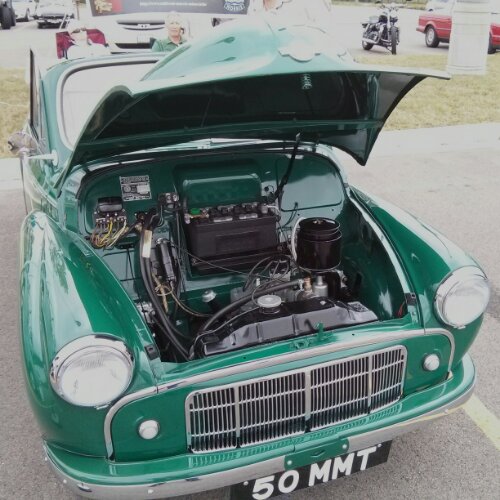
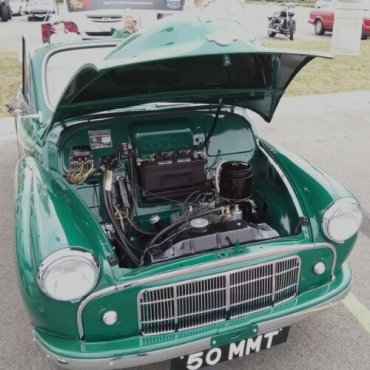
Diminutive power was conjured up from compact sub litre power units derived from the predecessor Morris Eight, however early engine bay layout is wide enough for an envisioned flat four (like a Beetle) but the sidevalve inline four is utilized. Here is a very early MM looking lively in its original green.
image

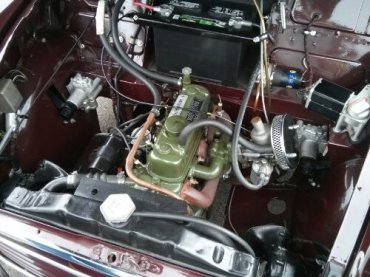
The Lucas battery is bigger than the 27 bhp engine. Probably heavier too! Here’s another pristine engine bay, everything is obvious and with room for any home mechanic to keep his transport on the road. This is the A Series overhead valve inline four which went on, with ongoing evolution, to see half a century’s production in The Mini. Sir Alec spun it 90° to ensure that compact cars place in history.
image

This ‘motor’ was developed by famed engine designer Harry Weslake who would go on to design the powerplants of Jaguars (later this week) and had indeed been involved in the Rolls Royce Merlin engine – arguable one if the Best sounding engines ever – especially at speed from a Supermarine Spitfire.
image

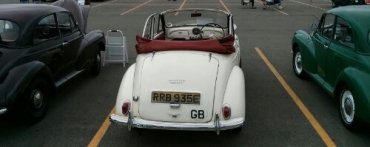
Look at this… Lines like the platinum tress’d Diana Dors, who’d not get a smile whilst adjusting your tweed cap and donning your string back drivers gloves… 
image

And besides it’s the car used by Keith and Candice Marie on their rural trip in the much loved Mike Leigh drama Nuts in May.

image

image

CANDICE MARIE

Keith?

KEITH

Mmm.
CANDICE MARIE

You know you always tell me to chew everything 72 times?

KEITH

Mmm.

CANDICE MARIE

Well I don’t think that can be right, because, um for instance you’re chewing nuts now, and they have to be chewed 72 times because they’re very hard. But earlier on I was eating mushroom, and I only got to 31 and it slipped down my throat quite naturally. So it doesn’t always have to be 72 times does it?

KEITH

[long pause while chewing] I think the important thing is to uh, use your discretion.